


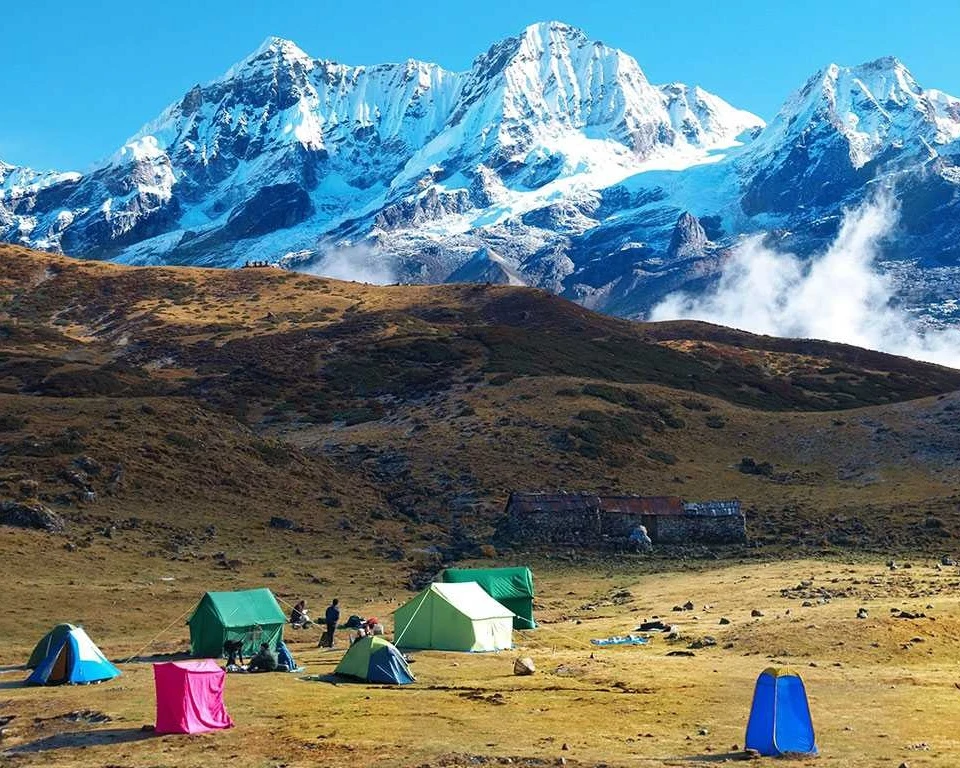


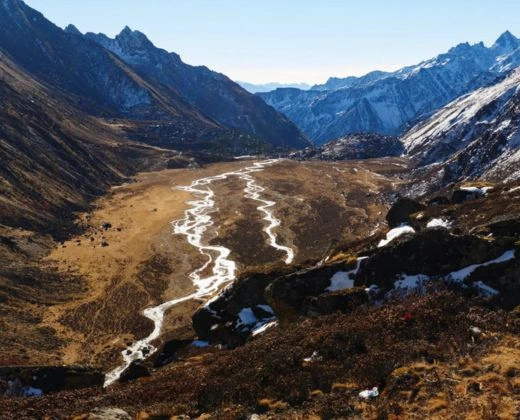
Hidden in the untouched wilderness of eastern Nepal, the Lumba Sumba Pass Trek is a true Himalayan expedition for adventurous travelers seeking solitude, raw nature, and authentic mountain culture. Connecting the remote Kanchenjunga Conservation Area with the pristine Makalu Barun National Park, this extraordinary journey crosses the spectacular Lumba Sumba Pass (5,177m), offering breathtaking views of Mt. Kanchenjunga, Mt. Makalu, and countless snow-covered peaks. From ancient Tibetan villages and sacred monasteries to alpine meadows, glaciers, and rare wildlife, this trek delivers one of Nepal’s most rewarding off-the-beaten-path experiences.
The Lumba Sumba Pass Trek is one of Nepal’s most remote and adventurous Himalayan journeys, designed for trekkers who seek true wilderness beyond the crowded trekking routes. Opened only in 2012, this remarkable trail links two major protected regions — the Kanchenjunga Conservation Area and Makalu Barun National Park - through the dramatic Lumba Sumba Pass at 5,177 meters. The adventure begins from eastern Nepal, traveling through lush tea gardens, terraced hillsides, subtropical forests, and deep river valleys before gradually ascending into alpine landscapes and glacial terrain. Along the route, trekkers experience constantly changing scenery, from rhododendron forests and bamboo groves to rugged mountain passes and snow-covered peaks.
One of the trek’s greatest attractions is its cultural richness. The trail passes through isolated settlements inhabited by Limbu, Rai, Sherpa, Bhote, and Tibetan-influenced communities where ancient traditions, monasteries, prayer flags, and Buddhist rituals remain deeply preserved. Villages like Olangchung Gola offer rare insight into centuries-old Himalayan lifestyles and trans-Himalayan trade culture. The trek also offers extraordinary biodiversity. As you walk through protected forests and alpine ecosystems, there are opportunities to encounter rare Himalayan wildlife including red pandas, blue sheep, Himalayan monals, and even elusive snow leopards.
Unlike commercial trekking routes, the Lumba Sumba Pass Trek provides unmatched peace, solitude, and authentic exploration, making it one of the most rewarding trekking experiences in Nepal.
The Lumba Sumba Pass Trek is ideal for trekkers looking for a genuine Himalayan adventure far from busy tourist trails. Unlike Everest or Annapurna, this route remains untouched, wild, and culturally authentic.
What Makes This Trek Special?
|
Day |
Route |
Elevation |
Duration |
|
Day 1 |
Arrival in Kathmandu |
1,350m / 4,429ft |
— |
|
Day 2 |
Kathmandu Sightseeing & Preparation |
1,350m |
Full Day |
|
Day 3 |
Fly to Bhadrapur & Drive to Ilam |
1,210m / 3,969ft |
4–5 hrs |
|
Day 4 |
Drive Ilam to Sekathum |
1,650m / 5,413ft |
9–10 hrs |
|
Day 5 |
Trek to Ila Danda |
2,051m / 6,729ft |
5–6 hrs |
|
Day 6 |
Trek to Selep Kharka |
2,525m / 8,284ft |
5–6 hrs |
|
Day 7 |
Trek to Olangchung Gola |
3,208m / 10,525ft |
6–7 hrs |
|
Day 8 |
Acclimatization Day |
3,208m |
— |
|
Day 9 |
Trek to Upper Langmale |
3,893m / 12,772ft |
6 hrs |
|
Day 10 |
Trek to Pass Camp |
4,700m / 15,420ft |
6–8 hrs |
|
Day 11 |
Cross Lumba Sumba Pass & Trek to Chauri Kharka |
5,177m / 16,985ft |
8–10 hrs |
|
Day 12 |
Trek to Thudam |
3,500m / 11,482ft |
6–7 hrs |
|
Day 13 |
Trek to Yak Kharka |
2,877m / 9,439ft |
6–7 hrs |
|
Day 14 |
Trek to Chyamtang |
2,229m / 7,313ft |
6–7 hrs |
|
Day 15 |
Trek to Hatiya |
1,595m / 5,233ft |
5–6 hrs |
|
Day 16 |
Trek to Gola |
1,128m / 3,700ft |
5–6 hrs |
|
Day 17 |
Trek to Hedangna Gadi |
1,179m / 3,868ft |
5–6 hrs |
|
Day 18 |
Trek to Num & Drive to Tumlingtar |
518m / 1,699ft |
6–7 hrs |
|
Day 19 |
Fly to Kathmandu |
1,350m |
45 mins |
|
Day 20 |
Free Day in Kathmandu |
— |
— |
|
Day 21 |
Final Departure |
— |
— |
Spring (March – May)
Spring is one of the best seasons for the Lumba Sumba Pass Trek. The weather remains stable with clear mountain views, blooming rhododendron forests, and comfortable daytime temperatures. Wildlife activity is also higher during this season.
Autumn (September – November)
Autumn offers crystal-clear skies, dry trails, and spectacular Himalayan panoramas. The temperatures are ideal for high-altitude trekking, making it the most popular trekking season in eastern Nepal.
Winter (December – February)
Winter brings heavy snowfall and freezing temperatures near the pass. The trek becomes more challenging but rewards experienced trekkers with quiet trails and dramatic snowy landscapes.
Monsoon (June – August)
The monsoon season brings rain, muddy trails, leeches, and possible landslides. However, the forests become lush and vibrant. Trekking during this season requires extra preparation and flexibility.
The Lumba Sumba Pass Trek is considered a challenging and remote trekking adventure suitable for physically fit trekkers with strong endurance. Daily walking durations range from 5–10 hours over steep ascents, descents, rocky terrain, and remote mountain trails.
The highest point of the trek reaches 5,177m, where altitude sickness can become a serious concern. Proper acclimatization, hydration, and gradual pacing are essential.
Fitness Requirements
No technical climbing skills are required, but prior high-altitude trekking experience is highly beneficial.
Accommodation during the trek includes a combination of basic teahouses, local lodges, and camping in remote sections. Rooms are simple yet comfortable with twin-sharing arrangements and shared bathrooms.
Meals Available
Facilities
As this is a remote trek, facilities become more basic at higher elevations.
The Lumba Sumba region is home to diverse ethnic communities including Limbu, Rai, Sherpa, Bhote, and Tamang people. Trekking through these isolated villages offers deep cultural immersion and authentic Himalayan hospitality.
Trekkers can explore ancient monasteries, mani walls, prayer flags, stupas, and traditional stone houses that reflect strong Tibetan Buddhist influence. Villages like Olangchung Gola preserve centuries-old trade traditions and mountain lifestyles rarely seen elsewhere in Nepal.
Local festivals, traditional dress, yak farming, and warm village hospitality make this trek culturally enriching as much as naturally spectacular.
The journey begins with a scenic domestic flight from Kathmandu to Bhadrapur, followed by a long jeep drive through eastern Nepal’s hill districts to Sekathum — the trekking starting point.
Transportation Breakdown
Transportation includes flights, local jeeps, and private transfers depending on road conditions and group size.
✔ Experienced Local Guides
Our professional guides are highly experienced in remote Himalayan trekking and mountain safety.
✔ Safety First Approach
We prioritize proper acclimatization, emergency preparedness, and personalized support throughout the trek.
✔ Authentic Local Experience
We work closely with local communities to provide genuine cultural experiences and responsible tourism.
✔ Small Group Adventures
Small group sizes ensure better service, flexibility, and a more personal trekking experience.
✔ 24/7 Customer Support
From arrival to departure, our dedicated team is always available to assist you.
Challenge yourself beyond the ordinary and explore one of Nepal’s last untouched trekking frontiers.
The Lumba Sumba Pass Trek offers breathtaking mountains, authentic Himalayan culture, and true wilderness adventure that few travelers ever experience.
📩 Contact Ghumnajaau today to customize your trek, check departure dates, and reserve your unforgettable Himalayan journey.
Welcome to Nepal! Meet our representative at Tribhuvan International Airport and transfer to the hotel. Evening briefing about the trek and welcome dinner.
Explore the cultural heritage sites of Kathmandu Valley — Swayambhunath, Boudhanath, and Pashupatinath. Final gear check and trek briefing. Overnight in Kathmandu.
Day 3: Fly to Bhadrapur (45–50 min) & Drive to Ilam (1,210m | 4–5 hrs)
Morning scenic flight to Bhadrapur, followed by a drive through lush tea gardens and rolling hills to Ilam. Overnight at a local guesthouse.
Day 4: Drive Ilam to Sekathum (1,650m | 9–10 hrs)
A long, adventurous drive through picturesque hill settlements and forested valleys to reach Sekathum — the trek starting point.
Day 5: Trek Sekathum to Ila Danda (2,051m | 5–6 hrs)
Start trekking along the Tamor River valley, crossing suspension bridges and terraced farmlands. Overnight at Ila Danda.
Morning scenic flight to Bhadrapur, followed by a drive through lush tea gardens and rolling hills to Ilam. Overnight at a local guesthouse.
A long, adventurous drive through picturesque hill settlements and forested valleys to reach Sekathum — the trek starting point.
Start trekking along the Tamor River valley, crossing suspension bridges and terraced farmlands. Overnight at Ila Danda.
Gradual ascent through rhododendron and bamboo forests, often spotting red pandas in this region. Camp at Selep Kharka.
Trek through pristine alpine terrain to reach the ancient trading village of Olangchung Gola, known for its Tibetan culture.
Explore the traditional village, monasteries, and nearby alpine lakes. Rest and prepare for the higher elevations ahead.
Follow the high trail along the Tamor River valley through beautiful yak pastures and alpine wilderness.
Climb steadily to the high-altitude campsite below the Lumba Sumba Pass. Stunning mountain views all around.
A challenging yet rewarding day crossing the majestic Lumba Sumba Pass — the highest point of the trek. Descend to Chauri Kharka for overnight camp.
Descend through rugged mountain terrain to the isolated Tibetan-influenced village of Thudam.
Continue through mixed forests and open meadows with a chance to spot wildlife. Overnight at Yak Kharka.
Day 14: Trek Yak Kharka to Chyamtang (2,229m | 6–7 hrs)
Pass through rhododendron forests and local hamlets as you descend towards Chyamtang.
Day 15: Trek Chyamtang to Hatiya (1,595m | 5–6 hrs)
Walk through scenic farmlands and traditional Rai settlements, following the Arun River valley.
Day 16: Trek Hatiya to Gola (1,128m | 5–6 hrs)
A gentle trail through subtropical forests and riverside paths leads to the small village of Gola.
Pass through rhododendron forests and local hamlets as you descend towards Chyamtang.
Walk through scenic farmlands and traditional Rai settlements, following the Arun River valley.
Optional take local jeep to Tumlingtar on DIrt track (Seaonal Road may disturbed all time)
A gentle trail through subtropical forests and riverside paths leads to the small village of Gola.
Optional take a local jeep to Tumlingtar.
Trek through terraced hills and cultural villages, enjoying the final mountain scenery before the lowlands.
Optional take a local jeep to Tumlingtar for saving time.
Descend to Num and drive along a rough mountain road to Tumlingtar. Overnight at lodge.
Morning flight back to Kathmandu. Transfer to hotel and free evening for relaxation or shopping.
Leisure day for rest, souvenir shopping, or optional city tours.
Transfer to the airport for your onward journey. Farewell and end of the Lumba Sumba adventure with Ghumnajaau.

The trek is considered challenging due to its remote trails, high altitude, and long trekking days. Good physical fitness is strongly recommended.
The highest point is Lumba Sumba Pass at 5,177 meters (16,985 feet).
Previous trekking experience is helpful but not mandatory. Proper physical preparation is highly recommended.
Trekkers need:
Yes. Some remote sections require camping due to limited teahouse facilities.
Accommodation includes basic teahouses, lodges, and camping setups in higher remote areas.
Spring (March–May) and Autumn (September–November) are the best seasons for stable weather and clear mountain views.
Yes. Since the trek reaches above 5,000 meters, proper acclimatization and hydration are essential.
Highly recommended. The route is remote and less marked, so experienced local guides improve safety and navigation.
Yes. Travel insurance covering high-altitude trekking and emergency helicopter evacuation is strongly required.