




Makalu & Barun Region
Arun Valley Silicho Peak & Panch Pokhari Trek Nepal
Duration: 14 days
From $1568

The Sherpani Col – Amphu Laptsa – Mera Peak Traverse is one of Nepal’s most thrilling and demanding Himalayan expeditions, designed for experienced trekkers seeking true adventure beyond ordinary trekking routes. Crossing remote glaciers, technical high passes, rugged moraines, and untouched alpine valleys, this epic journey connects the wild Makalu region with the legendary Everest region. From the towering walls of Makalu to the breathtaking panoramas of Everest, Lhotse, Ama Dablam, and Kanchenjunga, every step offers raw Himalayan beauty, cultural encounters, and unforgettable moments in the heart of the world’s highest mountains.
The Sherpani Col – Amphu Laptsa – Mera Peak Traverse is a world-class Himalayan expedition that combines remote wilderness trekking, technical alpine crossings, and breathtaking mountain scenery. This challenging route takes trekkers deep into the untouched landscapes of eastern Nepal, connecting the isolated Makalu region with the iconic Everest region through some of the highest and most demanding mountain passes in the Himalayas.
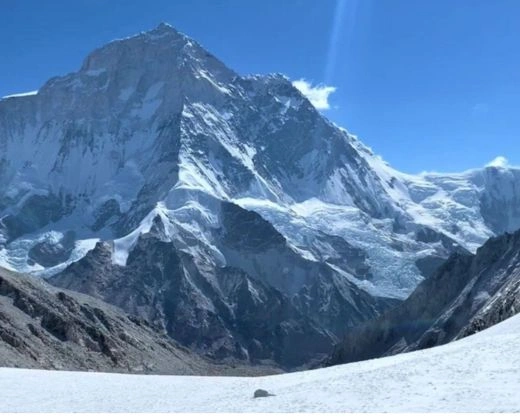
The journey begins with a scenic flight from Kathmandu to Tumlingtar followed by a drive to Num, the gateway to the Makalu Barun region. The lower trails pass through terraced farms, lush forests, suspension bridges, and charming villages inhabited by Rai and Sherpa communities. As the trail gradually ascends, trekkers enter the pristine wilderness of Makalu Barun National Park, home to rhododendron forests, rare Himalayan wildlife, alpine meadows, and glacial rivers. Higher up, the landscape transforms dramatically into rocky moraines, massive glaciers, and snow-covered passes. The route to Makalu Base Camp offers incredible views of Mount Makalu (8,485m), the fifth-highest mountain in the world, along with Chamlang, Baruntse, and Peak 6 and 7. Beyond the base camp begins the true expedition section where trekkers cross Sherpani Col and West Col using ropes and mountaineering equipment in certain sections.
After traversing the remote Hongu Basin, the adventure continues across the spectacular Amphu Laptsa Pass before descending into the Everest region through Chhukung, Tengboche, Namche Bazaar, and Lukla. Along the way, trekkers experience ancient monasteries, prayer flags fluttering in the wind, yak caravans, and warm Himalayan hospitality. This trek is an extraordinary blend of high-altitude adventure, technical challenge, remote exploration, and cultural discovery, making it one of Nepal’s most rewarding expedition treks.
The Sherpani Col – Amphu Laptsa – Mera Peak Traverse is not just a trek — it is a complete Himalayan expedition experience. Unlike standard trekking routes, this journey takes you through isolated mountain terrain rarely visited by ordinary trekkers.
What Makes This Trek Special?
Day 1 Arrival in Kathmandu (1,350m)
Day 2 Trek preparation & sightseeing (1,350m) - 4 hrs.
Day 3 Fly to Tumlingtar (410m) & drive to Num (1,560m) - 5–6 hrs
Day 4 Trek to Seduwa (1,500m) - 4–5 hrs
Day 5 Trek to Tashigaon (2,175m) -4–5 hrs
Day 6 Trek to Khongma (3,637m) - 5–6 hrs
Day 7 Acclimatization Day (3,537m)
Day 8 Trek to Dobate (3,844m) - 6–7 hrs
Day 9 Trek to Yangle Kharka (3,557m) - 4–5 hrs
Day 10 Trek to Langmale Kharka (4,410m) - 3–4 hrs
Day 11 Trek to Makalu Base Camp (4,870m) - 4–5 hrs
Day 12 Acclimatization at Base Camp (4,870m)
Day 13 Trek to Swiss Base Camp (5,213m) - 5–6 hrs
Day 14 Trek to Sherpani Col High Camp(5,688m) 5–6 hrs
Day 15 Acclimatization Day (5,688m)
Day 16 Cross Sherpani Col (6,193m) & West Col (6,143m) to Baruntse B. C (5,400m)- 7– 8 hrs
Day 17 Trek to Amphu Laptsa B.C (5,527m) - 6–7 hrs
Day 18 Cross Amphu Laptsa Pass (5,845m) to Chhukung (4,730m) - 7–8 hrs
Day 19 Trek to Tengboche (3,860m) 4–5 hrs
Day 20 Trek to Namche Bazaar (3,440m) - 5–6 hrs
Day 21 Trek to Lukla (2,850) - 7–8 hrs
Day 22 Fly back to Kathmandu (1,350m) - 35 mins
Day 23 Final departure
Spring (March to May)
Spring is one of the best seasons for this expedition. The weather remains stable with clear mountain views, blooming rhododendron forests, and moderate temperatures. Snow conditions on the high passes are generally manageable.
Autumn (September to November)
Autumn offers crystal-clear skies, dry trails, and excellent visibility. This season provides the safest and most comfortable trekking conditions for crossing technical passes and glaciers.
Winter (December to February)
Winter brings extremely cold temperatures, heavy snow, and difficult pass conditions. Only highly experienced expedition teams should consider winter trekking.
Monsoon (June to August)
Heavy rainfall, slippery trails, and poor visibility make monsoon season unsuitable for this expedition trek.
The Sherpani Col – Amphu Laptsa – Mera Peak Traverse is an extremely challenging expedition trek suitable only for experienced trekkers with excellent physical fitness and prior high-altitude trekking experience.
Trekkers should be prepared for:
Good endurance, strong cardiovascular fitness, and previous experience above 5,000 meters are highly recommended.
Accommodation during the trek includes comfortable hotels in Kathmandu, basic teahouses in lower villages, and tented camping in remote high-altitude sections near Sherpani Col and Amphu Laptsa.
Meals
Trekkers can enjoy a variety of meals including:
At higher camps, meals become simpler and expedition-style.
Facilities
This trek offers rich cultural immersion through the traditional villages of Rai and Sherpa communities. Trekkers experience ancient Buddhist culture, colorful prayer flags, mani walls, monasteries, and centuries-old Himalayan traditions.
Villages like Tashigaon, Pangboche, Tengboche, and Namche Bazaar showcase authentic mountain lifestyles shaped by Buddhism and the harsh Himalayan environment. The famous Tengboche Monastery provides spiritual insight and spectacular mountain scenery.
Trekkers also witness yak caravans, stone-built houses, local farming practices, and warm hospitality that reflect the deep cultural heritage of Nepal’s mountain communities.
The expedition begins with a scenic domestic flight from Kathmandu to Tumlingtar, followed by a private jeep drive to Num, the trek starting point.
Transportation Breakdown
Domestic mountain flights depend on weather conditions and may experience delays during poor weather.
Experienced Local Guides
Our professional trekking and climbing guides have years of Himalayan expedition experience.
Safety First Approach
We prioritize acclimatization, emergency planning, and proper expedition logistics.
Personalized Customer Support
From trip planning to final departure, our team provides complete assistance.
Responsible Tourism
We support local communities and promote eco-friendly trekking practices.
Authentic Himalayan Experience
We create meaningful journeys with genuine cultural interaction and unforgettable adventures.
📞 Contact Ghumnajaau today to customize your Sherpani Col – Amphu Laptsa – Mera Peak Traverse adventure and reserve your expedition with expert local guides.
Upon arrival at Tribhuvan International Airport, our representative will welcome you and transfer you to your hotel. You can relax, settle in, and recover from your journey. Evening is free to explore local surroundings.
Today is dedicated to trek preparation. We will complete all necessary permits and provide a detailed trek briefing, including safety, acclimatization, and equipment checks. In the afternoon, enjoy sightseeing in Kathmandu, visiting Durbar Square with its historical architecture, Kumari Ghar (Living Goddess), Swayambhunath Stupa, and local markets.
We take an early morning flight to Tumlingtar, enjoying breathtaking aerial views of the hills, rivers, and Himalayan foothills. From Tumlingtar, we drive through verdant landscapes to Num, catching our first glimpses of distant Himalayan peaks. The village offers a serene introduction to rural Nepal.
Crossing a wooden bridge over the Arun River, we enter the Makalu Barun Conservation Area. Trekking through lush forests of juniper and rhododendron, we pass small settlements before reaching Seduwa. This section combines gentle walking with scenic beauty.
We follow the Isuwa and Kusuwa Khola rivers, crossing wooden bridges and trekking through small villages and forests. Tashigaon, a Sherpa settlement, offers magnificent views of surrounding Himalayan peaks and provides insight into the local way of life.
Today’s trek is more challenging, climbing steep trails, stone steps, and passing alpine fields dotted with yaks and Himalayan cattle. Entering Makalu Barun National Park, we are surrounded by pristine nature and towering peaks. The journey to Khongma Danda rewards us with spectacular vistas.
To adapt to higher altitudes, we take a rest day. Optional short hikes to nearby ridges or visits to Buddhist monasteries provide cultural insight and gentle exercise to support acclimatization.
This is a demanding day, crossing four passes: Kauma La (3,603 m), Keke La (4,127 m), Shipton La (4,170 m) near Kalo Pokhari Lake, and Tutu La (4,080 m). The trek offers breathtaking views of Chamlang (7,319 m), Peak 6 (6,524 m), and Peak 7 (6,758 m) before reaching Dobate.
Trekking through dense rhododendron forests, we cross the Barun River and ascend toward Yangri Kharka. Yaks grazing in the fields are a common sight, and the serene alpine environment makes this a peaceful day of trekking.
We traverse lush Himalayan forests, cross wooden bridges, and walk along moraines and small villages before reaching Langmale Kharka. The Himalayan panorama becomes increasingly dramatic with altitude gain.
The trail climbs steeply alongside the Barun Nadi, crossing glaciers and ridges en route to Shershong. The south face of Makalu gradually comes into view, culminating in the awe-inspiring Makalu Base Camp, where the surrounding peaks dominate the skyline.
A day to explore the base camp surroundings, witnessing panoramic views of Makalu (8,481 m), Everest (8,848 m), Lhotse (8,516 m), and other eastern Himalayan giants. Optional short hikes to Barun Glacier or Barun Pokhari enrich the experience.
An early start takes us on a trek of about five to six hours to just below Makalu west and along the way have several rest breaks as we gain altitude. We follow a valley on the west side of the Barun Glacier and across a rough rocky terrain to Puja Camp below Mt. Makalu’s West pillar. Our arduous trek over the glacier is rewarded with exceptional views of Lhotse and the Kangshung face of Mt. Everest. Tonight we set up camp on a clear space on the moraine.
We will trek for around four to five hours across the rugged slopes of Barun Valley’s west bank until we reach some cairns that are a sign to head down into the valley. There are two smaller glaciers that have their origin at Sherpani Col. We will camp the night just below the bottom of these glaciers.
Again we must take time out to acclimatize before heading to higher altitudes. From High Camp we again have some awesome views of the west face and west pillar of Mt. Makalu. We will camp here overnight.
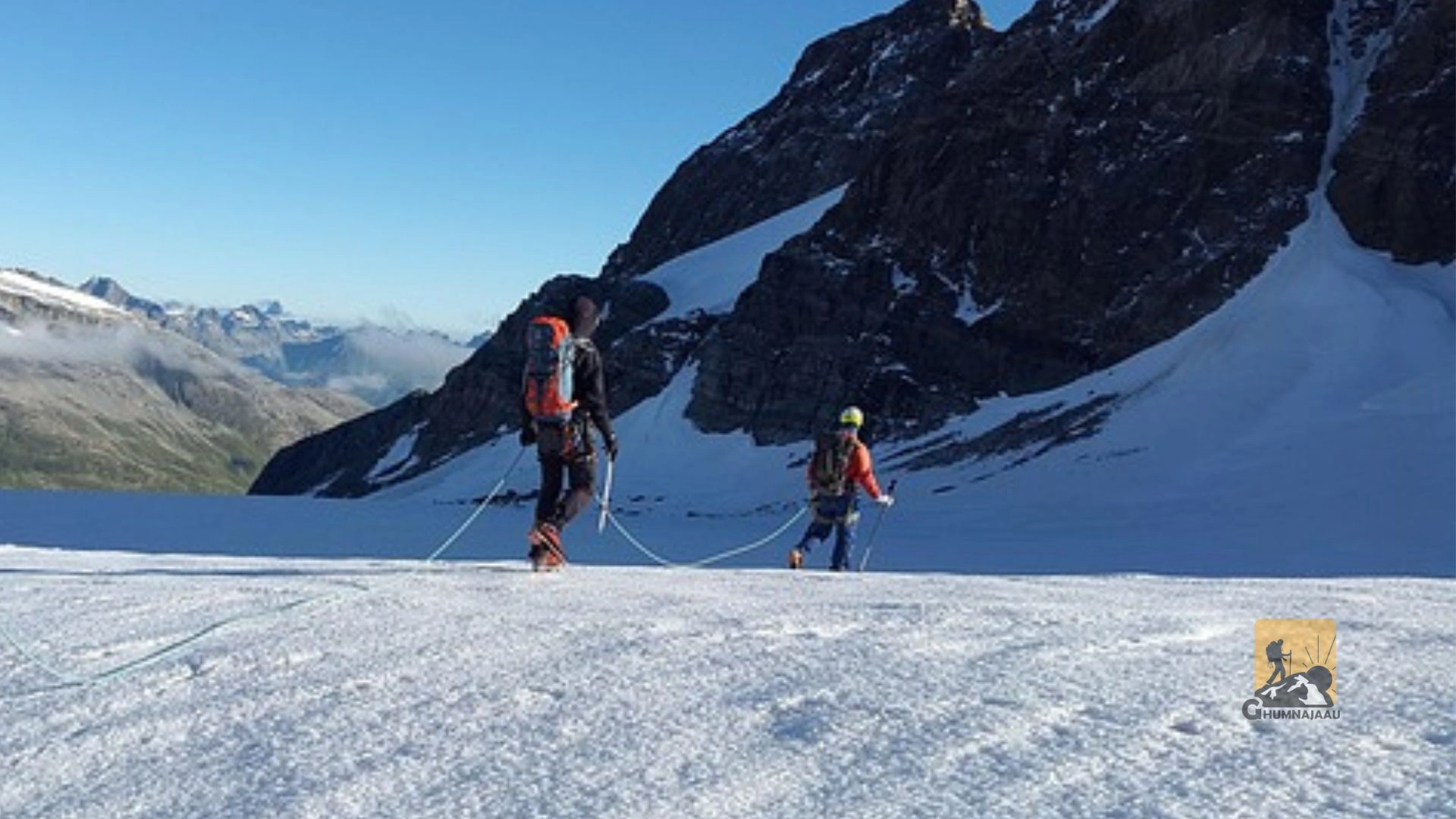
This is the highlight of our trek and we have to leave very early in the morning. We have to trek along the base of the Sherpani Glacier and head up and across snow-covered slopes using fixed ropes if necessary. We then cross to the West Col using fixed ropes as we cross the glacier. We are surrounded by Baruntse's icy ridges to the north, the huge cliffs of Makalu, the wall of Chamlang to the south, and the peak of Ama Dablam in the west. We will stop at the top of Sherpani Col for lunch. After our lunch break, we will descend using fixed ropes to the Hongu Glacier and back down to our previous night’s camp on the moraine.
Today we ascend to Amphu Laptsa and then follow the trail toward Hongu Basin and on to Mt. Kang Leyamura (6430m) in the west. We finally reach Panch Pokhari (meaning 'five ponds') where we make camp at the base of Amphu Labtsa at (5780m). Here our guides will go up to the Amphu Labtsa to fix ropes on some difficult section for a safe descent towards Imjatse Valley. We stay overnight at Amphu Labtsa Base Camp.
We have a seven to eight-hour trek today, firstly heading to the pass from where we have some stunning views of the south face of Lhotse, Lhotse Shar and Island Peak (Imjatse). We carefully descend from the pass using ropes and an ice axe. Once through the pass and heading down the going gets easier as we leave the snow and ice behind us. We continue on down to the valley close to the Imja Glacier and then on to Chhukung where we will camp overnight.
Our trek of four to five hours today is mostly downhill and at a lower altitude as head to Dingboche and on toward Tengboche. The next leg of our trek takes us to the very old Pangboche Sherpa village. Tengboche is often spoken about and said to be one of the most quaint villages on this trek and in the Himalayas. The large Gompa there is worth a visit. Next we come to a camping area where we will camp overnight and have fantastic views of Mt. Ama Dablam, Mt.Everest, Mt. Lhotse and Mt.Lhotse.
Today we trek for four to five hours heading through rhododendron, pine and juniper forests and then cross a suspension bridge over the Dudh Koshi River. We continue on and follow the trail to Sanasa Village and then to Namche Bazaar where we will stay the night.
We will follow the trail today for six to seven hours to Monju Village and then to the Sherpa Village of Phakding where we will stop for lunch. On arriving at Lukla you will have time to browse the shops while you wait for your flight to Lukla. We will stay here overnight and celebrate this mammoth undertaking to some extreme high altitudes.
We board our flight to Kathmandu and once in the air can look back over the majestic peaks and mountain ranges in the distance. After arriving back at Kathmandu, Sherpa Expedition and Trekking will take you to your hotel.
Your adventure comes to an end today – but your memories will last a lifetime! Our company representative will take you to the airport approximately 3 hours before your scheduled flight. On your way home you'll have plenty of time to reminisce and plan your next adventure and opportunity to explore the most magnificent mountains of Nepal.

This is an extremely difficult expedition trek requiring strong physical fitness, high-altitude experience, and basic mountaineering skills.
Previous trekking above 5,000m is strongly recommended. Basic experience using crampons, ropes, and ice axes is helpful.
The highest point is West Col at approximately 6,135 meters.
The full expedition generally takes around 24 days including arrival, acclimatization, and departure days.
Yes. Remote sections near Sherpani Col and Amphu Laptsa require fully supported camping expeditions.
Trekkers need Makalu Barun National Park permits, Everest region permits, and special expedition permits where applicable.
Accommodation includes hotels in Kathmandu, teahouses in villages, and tented camps in remote high-altitude areas.
Spring (March–May) and Autumn (September–November) are the best seasons for stable weather and safe pass crossings.
Yes. Proper acclimatization, hydration, and gradual ascent are essential throughout the expedition.
This trek combines remote wilderness, technical alpine passes, glacier travel, and two iconic Himalayan regions into one extraordinary adventure.