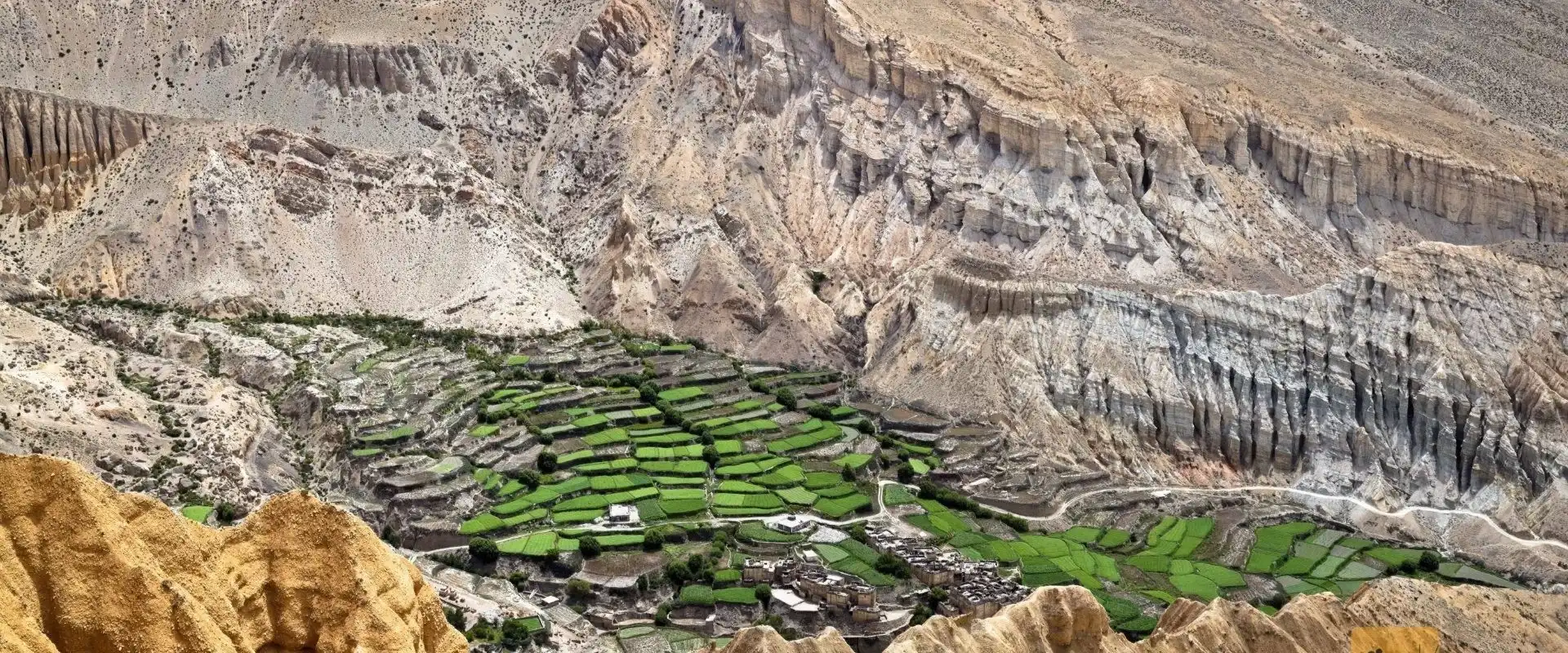
Hidden beyond the towering Himalayas lies Mustang, a land where ancient kingdoms still whisper through stone walls, prayer flags flutter across desert winds, and centuries-old Buddhist traditions continue unchanged. Often called the “Last Forbidden Kingdom,” Mustang is not just a destination. it is an experience of timeless culture, dramatic landscapes, and spiritual depth. From wind-carved cliffs to sacred monasteries and medieval cave dwellings, every step in Mustang feels like walking through history itself.
Nestled in Nepal’s trans-Himalayan region, Mustang is divided into Lower Mustang and Upper Mustang, each offering a distinct travel experience.
Lower Mustang is more accessible and lush in comparison, featuring fertile valleys, apple orchards, and culturally rich Thakali villages. Upper Mustang, once the independent Kingdom of Lo, is a high-altitude desert that preserves a pure Tibetan-influenced lifestyle within its ancient walled city of Lo-Manthang.
Situated in the rain shadow of the Annapurna and Dhaulagiri ranges, Mustang offers surreal desert-like landscapes, deep river gorges, sacred caves, and centuries-old monasteries, making it one of Nepal’s most unique travel destinations.
Upper Mustang Highlights
Lower Mustang Highlights
Reaching Mustang is part of the adventure itself:
For Upper Mustang, travelers require a restricted area permit, while Lower Mustang requires the Annapurna Conservation Area Permit (ACAP).
Mustang is one of the few regions in Nepal that can be visited year-round due to its dry climate:
Day 1–2: Drive or fly to Jomsom, explore Kagbeni
Day 3–4: Visit Muktinath and Marpha village
Day 5–6: Travel towards Upper Mustang region
Day 7–8: Explore Lo-Manthang and nearby monasteries
Day 9–10: Return journey via Jomsom or Pokhara
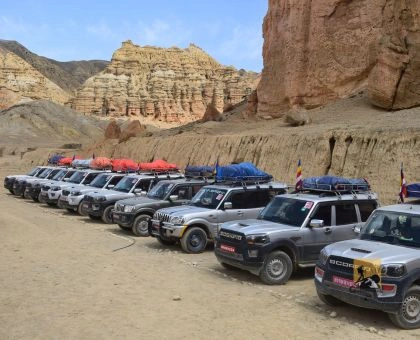
(Itinerary can be customized for trekking, jeep safari, or cultural tours.)
Mustang offers a rich blend of Tibetan and Nepali traditions:
The locals, mainly Thakali and Loba communities, are known for their hospitality, resilience, and deep spiritual traditions.
Accommodation ranges from basic teahouses to comfortable lodges:
Mustang is more than a destination. it is a rare blend of untouched Himalayan wilderness and living Tibetan culture. Whether you are trekking through desert valleys, exploring ancient caves, or witnessing sacred rituals in Lo-Manthang, Mustang offers a journey that stays with you forever.
For travelers seeking authenticity, spirituality, and adventure beyond the ordinary, Mustang truly is Nepal’s hidden kingdom waiting to be discovered.



We create unforgettable trips, customized for your group.