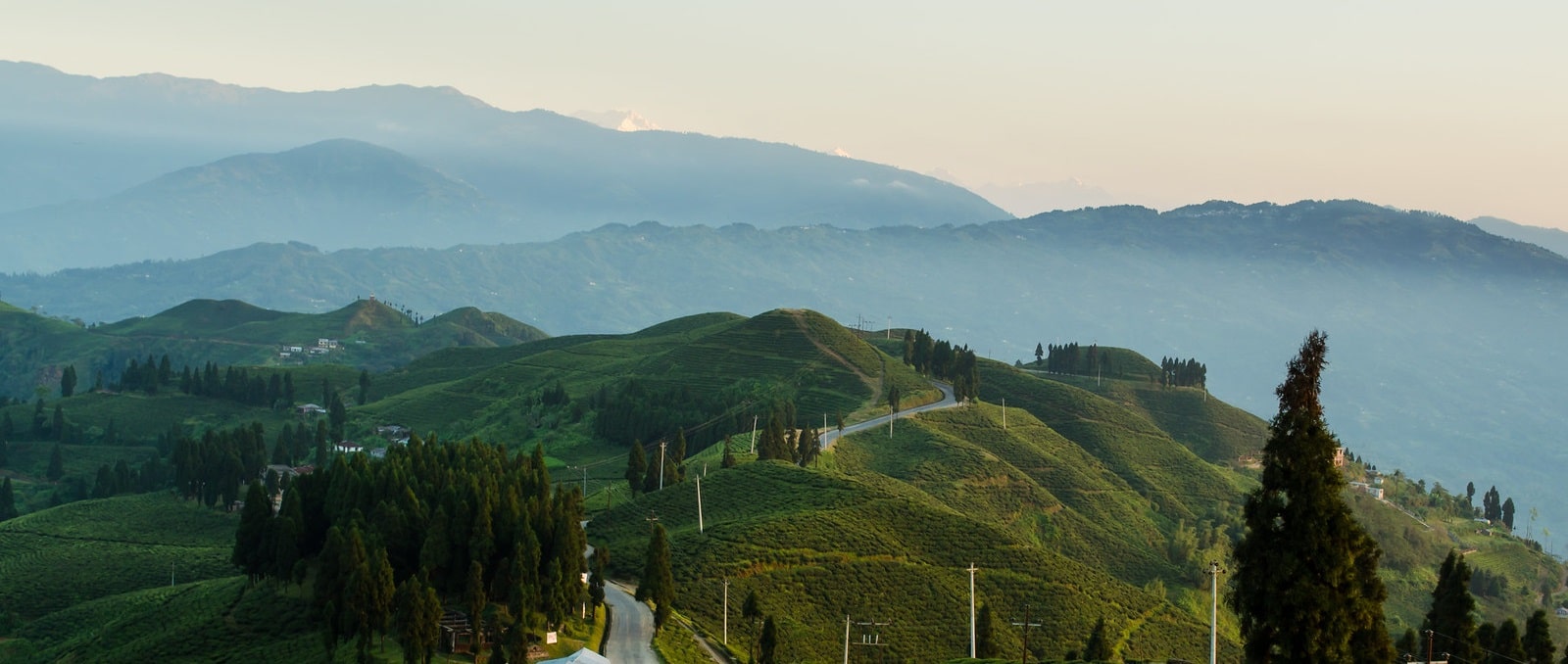
Explaining East Nepal tourism involves highlighting the unique attractions, experiences, and cultural richness that define the eastern region of Nepal as a compelling destination for travelers.
Natural Splendor: East Nepal boasts some of the most breathtaking natural landscapes in the country. The region is home to lush green hills, dense forests, cascading waterfalls, and spectacular mountain vistas. Tourists are drawn to iconic destinations like the Koshi Tappu Wildlife Reserve, the lush tea gardens of Ilam, and the serene hill stations of Dhankuta and Hile.
Cultural Diversity: Like the rest of Nepal, East Nepal is culturally diverse, with a rich tapestry of ethnic groups, traditions, and customs. Travelers can immerse themselves in the vibrant culture of communities such as the Rai, Limbu, Sherpa, and Tamang peoples. Festivals, religious ceremonies, and traditional dances offer insight into the region's cultural heritage.
Spiritual Exploration: East Nepal is home to several significant religious sites and pilgrimage destinations. Visitors can explore sacred places like the Pathibhara Temple, a revered Hindu pilgrimage site in Taplejung district, and the Siddheshwar Dham in Sankhuwasabha district. These sites attract pilgrims and spiritual seekers from across the country and beyond.
Adventure Opportunities: The eastern region of Nepal offers ample opportunities for adventure enthusiasts. Trekkers can embark on exhilarating journeys along the Kanchenjunga Base Camp trek, the Makalu Base Camp trek, or the Arun Valley trek, which offer stunning views of the Himalayas and diverse landscapes. Rafting and kayaking adventures are also popular on the Sunkoshi and Tamur rivers.
Wildlife and Conservation: East Nepal is renowned for its biodiversity and conservation efforts. Protected areas like the Koshi Tappu Wildlife Reserve, Makalu Barun National Park, and Sagarmatha National Park are havens for diverse flora and fauna, including rare and endangered species like the red panda and snow leopard.
Hospitality and Community Engagement: Visitors to East Nepal can experience warm hospitality and authentic cultural exchanges through homestay programs and community-based tourism initiatives. Staying with local families, participating in traditional activities, and supporting local businesses contribute to sustainable tourism practices and meaningful interactions with the community.
In summary, East Nepal tourism offers a captivating blend of natural beauty, cultural immersion, spiritual exploration, adventure, and conservation efforts, making it a compelling destination for travelers seeking authentic experiences and unforgettable adventures in the heart of the Himalayas.
.jpg)
We create unforgettable trips, customized for your group.