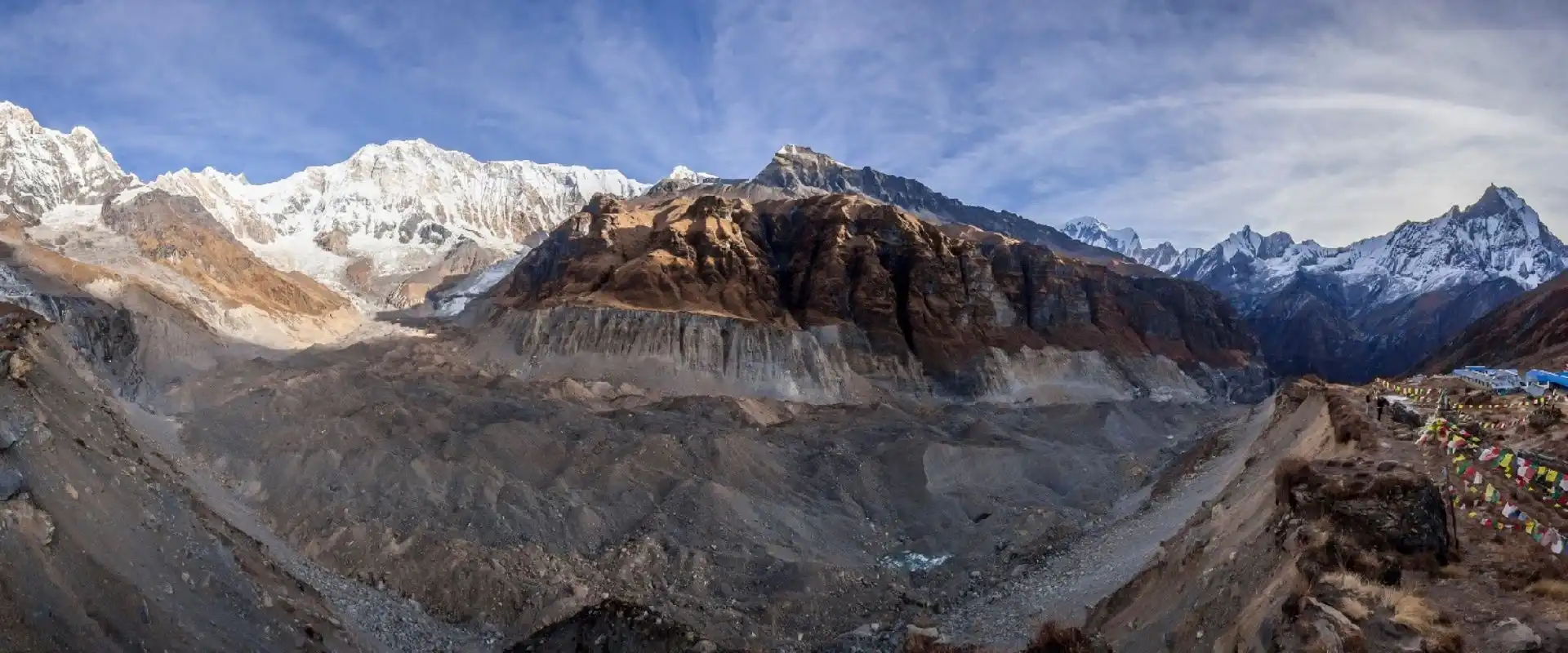
Where every trail leads to a story beneath the Himalayas.
Imagine waking to a golden sunrise over snow-capped peaks, walking through rhododendron forests, and ending the day in a warm mountain village over a plate of dal bhat. The Annapurna Region is one of the most varied trekking areas in the world, and it suits first-time trekkers and seasoned adventurers alike.
The Annapurna Region sits in north-central Nepal, inside the Annapurna Conservation Area, Nepal's first and largest conservation area. Within a few days' walk, the landscape changes from subtropical forest to alpine meadows and high Himalayan desert.
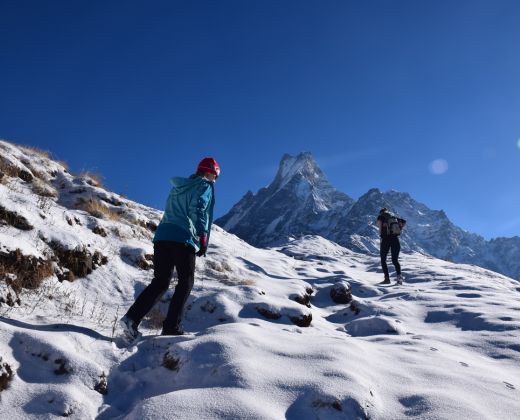
The region is home to Annapurna I (8,091 m), Dhaulagiri (8,167 m) and the sacred Machhapuchhre (Fishtail). It also has the Kali Gandaki Gorge, Tilicho Lake, and villages of Gurung, Magar, Thakali and Tibetan-influenced communities. Pokhara is the main gateway for most treks.
| Trek | Duration | Highest Point | Best for |
|---|---|---|---|
| Poon Hill | 4–5 days | 3,210 m | First-timers, sunrise views |
| Mardi Himal | 5–7 days | 4,500 m | Short trek with close mountain views |
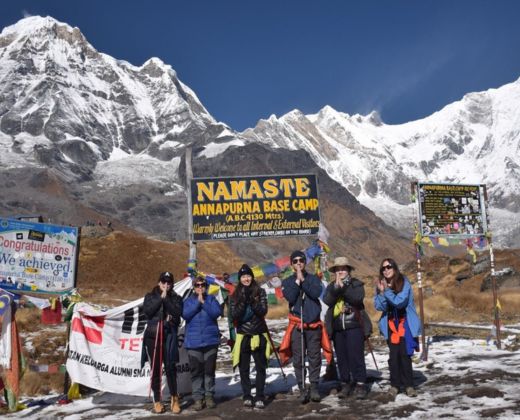
| Annapurna Base Camp (ABC) | 7–12 days | 4,130 m | Classic amphitheatre of peaks |
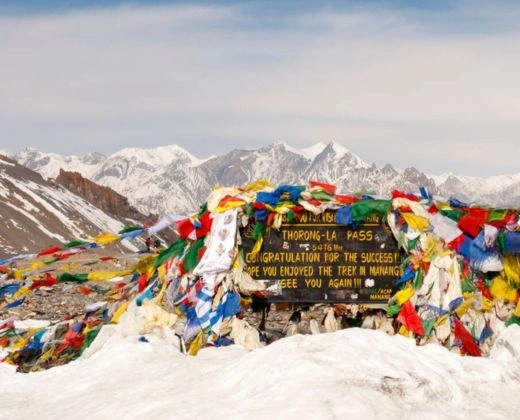
| Annapurna Circuit (ACT) | 12–18 days | 5,416 m (Thorong La) | Long-distance trekkers |
| North Annapurna Base Camp | 10–14 days | 4,190 m | Remote, less crowded wilderness |
| Khopra Ridge & Mulde View | 6–9 days | 3,660 m+ | Quiet trails, community lodges |
| Tilicho Lake | Add 3–5 days to the Circuit | 4,919 m | High-altitude lake scenery |
| Nar-Phu Valley | 10–14 days | 5,000 m+ | Tibetan culture, remote terrain |
| Upper Mustang (Lo Manthang) | 10–12 days | 3,800 m | Tibetan culture, remote terrain |
*Restricted areas. They need a special permit and must be booked through a registered agency.
Kathmandu to Pokhara: tourist bus (6–8 hours) or domestic flight (about 25 minutes).
Pokhara to trailheads:
See all Ghumnajaau Annapurna trek itineraries and packages.
Every Annapurna trek needs an ACAP permit, and a TIMS card is also required. Restricted areas need extra permits.
| Permit | Season | Fee |
|---|---|---|
| ACAP (Annapurna Conservation Area) | All year | NPR 3,000 foreign nationals; NPR 1,000 SAARC nationals |
| NPR 3,000 foreign nationals; NPR 1,000 SAARC nationals | All year | NPR 2,000 foreign nationals; NPR 1,000 SAARC nationals |
| Nar-Phu restricted-area permit | September–November | USD 100 per person for the first week; USD 15 per person per day after 1 week |
| Nar-Phu restricted-area permit | December–August | USD 75 per person for the first week; USD 15 per person per day after 1 week |
| Upper Mustang restricted-area permit | All year | USD 50 per person per day, or equivalent convertible currency |
Nar-Phu and Upper Mustang are restricted areas. They need their own permits and an agency booking. Ghumnajaau arranges all permits for you.
Which is the best trek for beginners?
Poon Hill and Mardi Himal are the most popular short options.
How difficult is the Annapurna Base Camp trek?
Moderate. Most healthy walkers manage it with basic fitness and proper pacing.
When is the best time to trek Annapurna?
March–May and October–November.
Do I need a permit? Yes.
ACAP permit is required, plus TIMS and restricted-area permits on some routes.
Can I trek Annapurna independently?
Rules for independent trekkers have been tightening. A licensed guide is strongly recommended.
The Annapurna Region is more than a trekking destination. It is a complete Himalayan experience, from quiet villages to thrilling mountain passes. Ready to explore Annapurna with Ghumnajaau? Find your itinerary here.




We create unforgettable trips, customized for your group.