Chitwan, aptly named the “heart of the jungle,” derives its significance from its rich natural heritage and historical roots. Nestled in the southwest corner of Bagmati Province, this Inner Terai valley region is steeped in legend, with its name attributed to Chitrasen, the Tharu King of yore. The landscape, ensconced between the foothills of the Himalayas and the Mahabharat and Siwalik ranges, was once known as Chitra Ban, a dense forest sanctuary where revered sages sought solitude in meditation amidst flourishing wildlife.
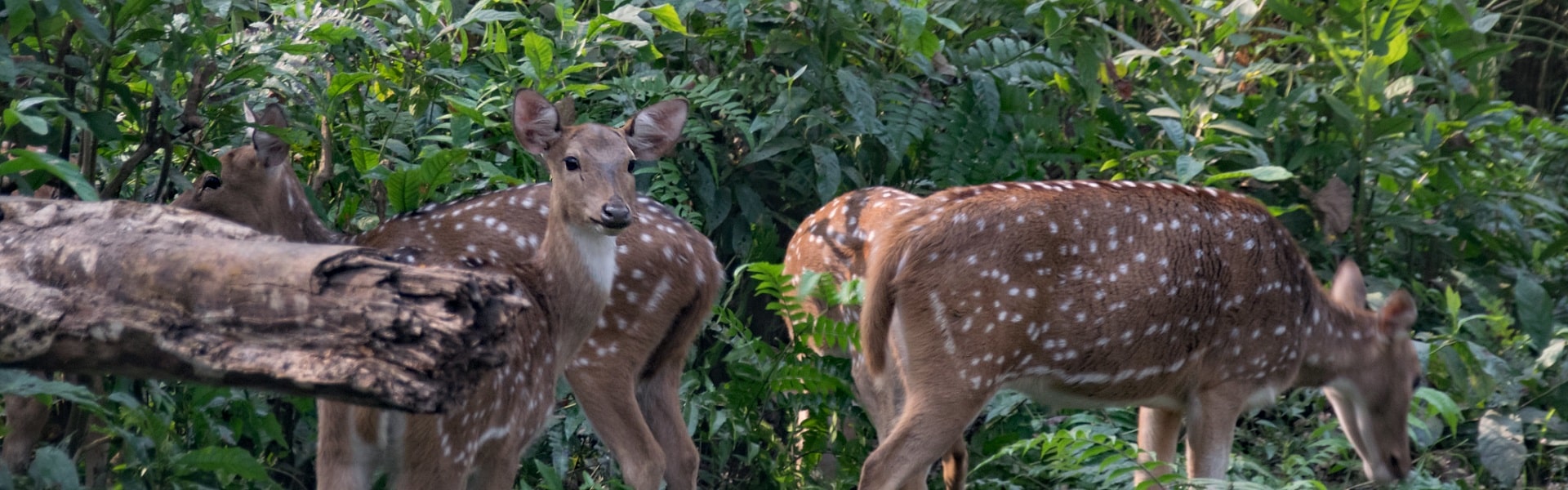
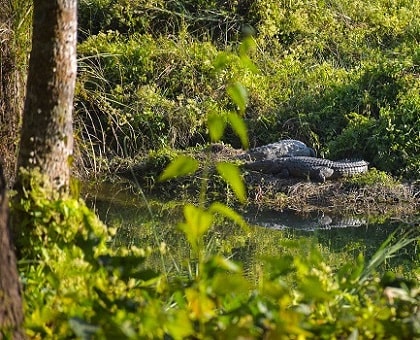
Today, Chitwan National Park stands as a premier destination in Asia, offering an exhilarating jungle experience replete with safari adventures, birdwatching excursions, serene canoe rides, and a plethora of nature-based activities. Amidst the verdant wilderness, elusive predators like tigers, leopards, and rhinos roam freely, while the marshes and rivers are inhabited by sunbathing gharial and marsh mugger crocodiles.
For a wholesome experience, visitors can explore the elephant and gharial breeding centers, providing valuable insights into the life cycles of these majestic creatures—an educational opportunity particularly enriching for children. Immerse yourself in the indigenous Tharu culture by visiting a traditional village, where warm hospitality awaits within their mud houses, accompanied by captivating Tharu stick dances and melodious folk songs around a crackling campfire.
Chitwan experiences a subtropical climate characterized by hot and humid summers and mild winters, offering pleasant conditions for exploration throughout the year.
Accessing Chitwan is convenient, with the park headquarters located at Kasara, merely 21 kilometers from Bharatpur. Visitors can opt for a quick 20-minute flight from Kathmandu or a scenic 145-kilometer road journey to reach this enchanting wilderness. Accommodation options abound outside the national park, ranging from rustic lodges to luxurious resorts, catering to the diverse needs of tourists. Advance reservations can be made through various resort and lodge offices in Kathmandu.
In essence, Chitwan beckons adventurers, nature enthusiasts, and culture aficionados alike, offering a tapestry of vibrant wildlife encounters, serene natural landscapes, and immersive cultural experiences—a haven for exploration and discovery amidst the untamed beauty of the jungle.
Chitwan National Park, a jewel of Nepal's natural heritage, invites visitors to embark on a diverse array of activities amidst its pristine wilderness. Jungle safaris, tranquil jungle walks, serene canoe rides, exhilarating jeep drives, and immersive experiences of Tharu culture await adventurers within its bounds.
Accommodation options in and around the park range from luxurious resorts to cozy lodges and hotels, ensuring a comfortable stay amidst nature's embrace.
Access to the park headquarters at Kasara is convenient, with a mere 21-kilometer drive from Bharatpur. Alternatively, visitors can opt for a quick 20-minute flight from Kathmandu or a scenic 146-kilometer road journey.
Chitwan National Park is renowned for its rich biodiversity, housing 56 species of mammals, including the iconic one-horned rhinoceros, elusive Royal Bengal Tiger, playful rhesus monkeys, langurs, various deer species, leopards, gaurs, wild boars, wild dogs, and wild cats. The park also shelters 49 species of amphibians and reptiles, including the endangered long-snouted gharial, marsh mugger crocodiles, and majestic pythons.
Birdwatchers will be enthralled by the park's avian diversity, boasting an impressive 525 species of birds. Summer brings vibrant migrant birds like the paradise flycatcher and Indian pitta, while winter hosts waterfowl, Brahminy ducks, pintails, bar-headed geese, cormorants, and migratory birds from Siberia.
Chitwan National Park's lush vegetation comprises tropical and sub-tropical forests, providing a thriving habitat for its diverse wildlife.
The best time to explore Chitwan National Park is during the cooler months from October to March, with an average temperature of 25 degrees Celsius. The hot months from April to June offer a different experience, with temperatures reaching up to 43 degrees Celsius, while the rainy season from July to September brings lush greenery and rejuvenates the park's ecosystem.
Apart from its natural wonders, Chitwan National Park offers added attractions like Devghat, Padavnagar, Balmiki Ashram, Kabilaspur, and the Chepang Hill Trail, providing visitors with a deeper insight into the region's cultural and historical heritage.
Entrance fees ensure accessibility for all visitors, with rates set at NPR 100 per day per entry for Nepali visitors, NPR 750 per person per day for SAARC nationals, and NPR 1,500 per person per day for foreigners, allowing everyone to experience the wonders of Chitwan National Park.
We create unforgettable trips, customized for your group.